Rhythm: The Skill Nobody Teaches
12 April 2026
The skill that makes everything else look easy
Sometimes basketball looks effortless. Passes arrive exactly when they’re needed. Shots go up without hesitation. The defence seems to read the play before it happens.
When you see that, the reason is almost always the same.
Not athleticism. Not height. Rhythm.
It’s the invisible thread connecting a player’s physical tools to their instincts — and almost nobody coaches it deliberately.
What rhythm actually is
Rhythm is timing made automatic.
It’s what syncs a player’s footwork, gather and release into one fluid motion instead of three separate thoughts. It’s what lets a shooter replicate their form when they’re gassed in the fourth quarter. It’s what keeps a defender light on their feet instead of frozen, waiting to react.
Without it, players are mechanical. They can execute every skill in isolation — but the game moves too fast for isolated execution.
The hardest part: simultaneity
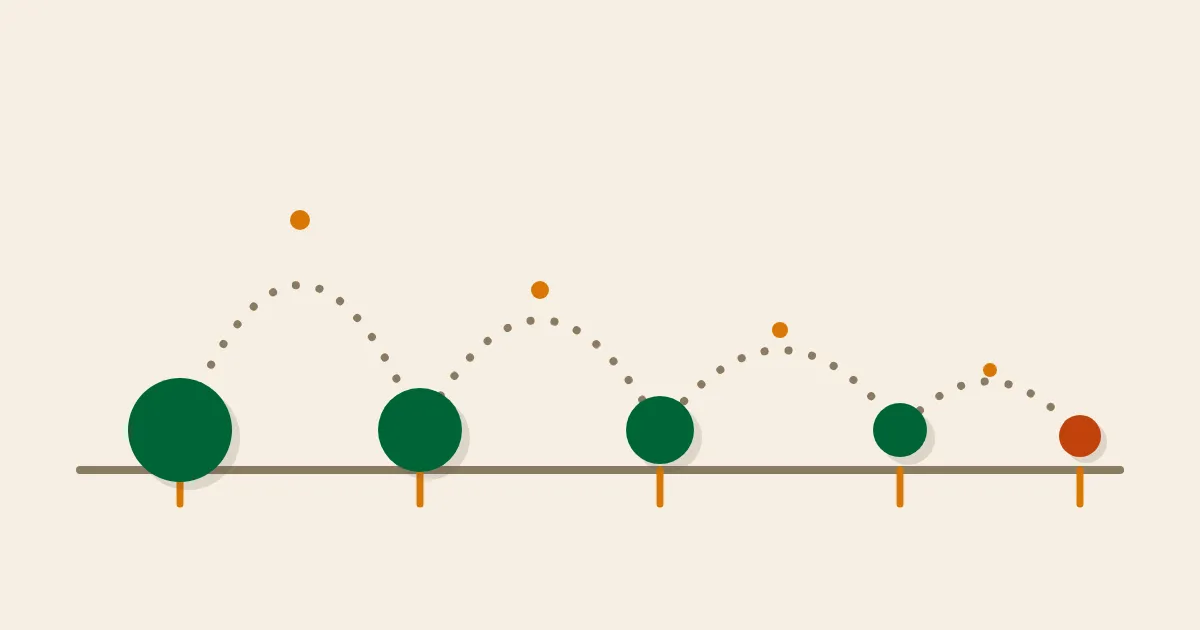
Here’s the concept most youth coaches never say out loud: basketball actions don’t happen in sequence. They happen at the same time.
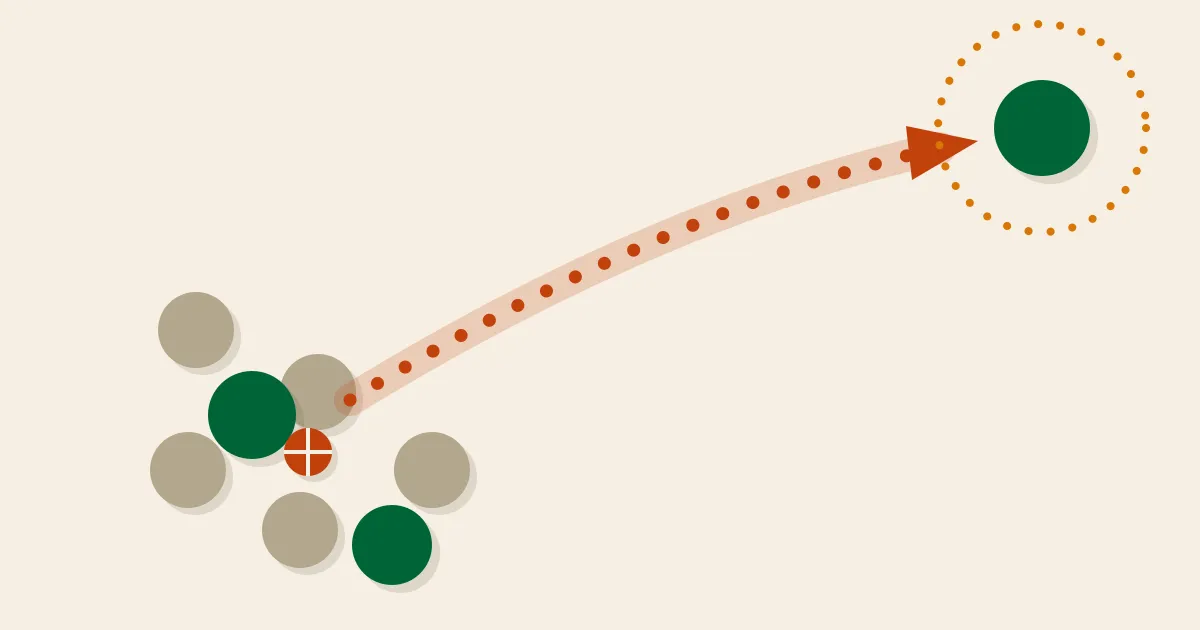
A pass shouldn’t leave the passer’s hands after a teammate gets open. It should be in the air while the cut is still finishing, so the receiver and the ball arrive together. Which means the passer had to read the cut early — not wait for it to complete.
The defence lives by the same clock. Good defensive timing isn’t reacting to the pass; it’s anticipating it, arriving at the receiver the same moment the ball does. Timing like that disrupts offences far more than raw athleticism ever will.
This is why rhythm is hard to teach in drills and easy to see in games. The feel for when — not just how — is what separates players who look smooth from players who always seem a step behind.
Building the feel
You can’t just tell players to “have better timing”. But you can build repetitions that force them to find the rhythm themselves.
- Catch-and-shoot with a hop — syncs the catch to the footwork to the release. Run it until three parts become one motion.
- One-dribble pull-ups — the dribble has to land at exactly the right moment to set up the shot. Too early or too late and the form collapses. Players feel this immediately, which is the point.
- Three-man weave with a cadence — run it to a rhythm call or a hand clap. The ball never gets held. If the pace breaks, reset and go again.
- Speed-and-slow crossovers — varying dribble tempo deliberately, not randomly. The goal is control over rhythm, not variety for its own sake.
And jump rope. Every day if possible. It builds the foot quickness and baseline rhythm that sit underneath everything else.
Rhythm isn’t just physical
A player who hasn’t slept properly is half a beat slow. Their timing drifts, their form degrades under fatigue, and what looked smooth in practice looks rushed in a game.
Say it plainly to players: if rhythm matters, recovery isn’t optional. Sleep, hydration, keeping the body primed — these aren’t extras on top of training. They’re part of the skill.
Mental preparation connects here too. Visualising timing — not just technique, but when — helps players stay composed when the game speeds up around them.
The simple truth
Rhythm is a skill. It can be taught, built through repetition, and lost through neglect.
When your team’s ball movement looks slow, when your shooter looks hesitant, when your defence is always a fraction late — the problem is often rhythm, not effort.
Teach the timing. The rest starts to organise itself.
Timing is how players reach temporal space — the openings that exist for half a second and then close. How that fits with the other kinds of space is in The Five Kinds of Space.
More in fundamentals
Stay in the loop
New posts
by email.
Game breakdowns, session notes, and coaching ideas — when they're published, not on a schedule.
No spam. Unsubscribe any time.